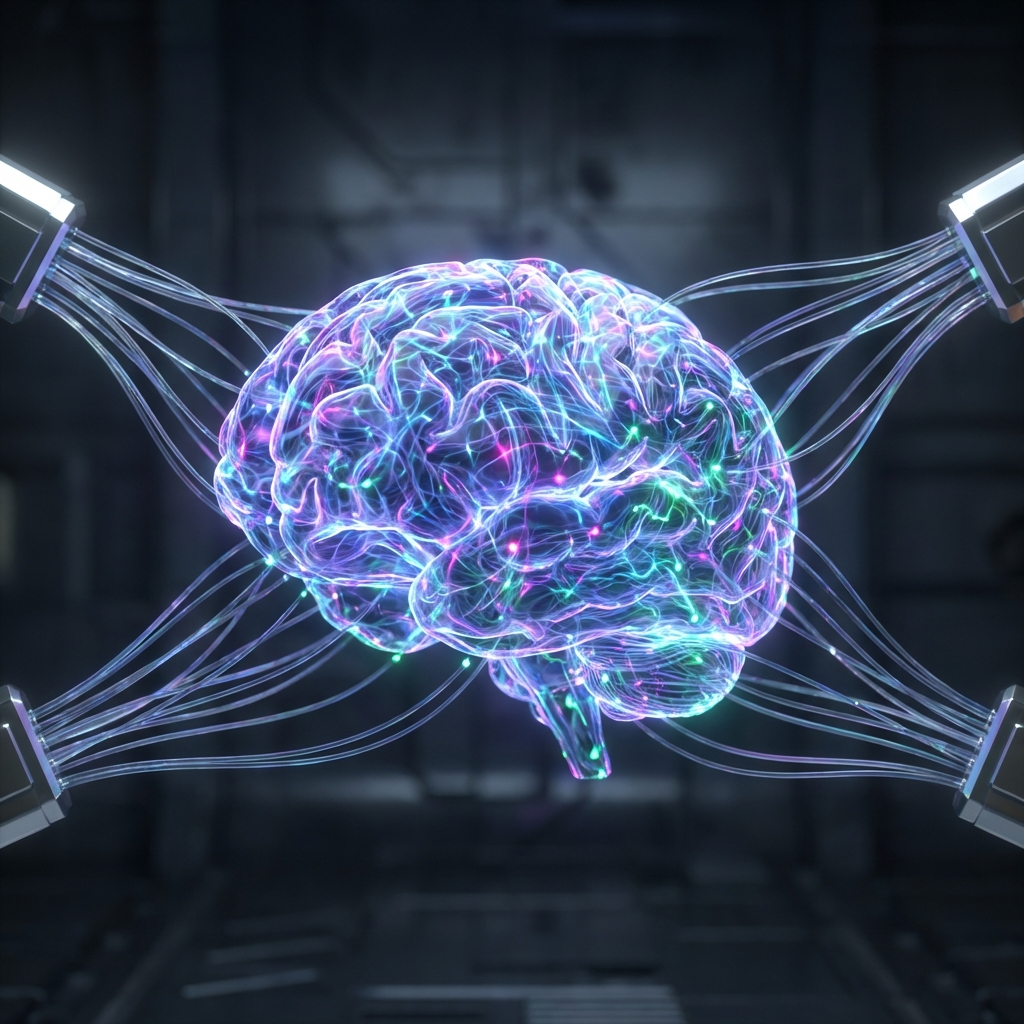
The frailty of the biological body has always been the ultimate limitation of the human experience. But as our understanding of the brain becomes more digital, a radical question arises: Could we eventually copy our minds into a computer? This is the concept of "Whole Brain Emulation" (WBE), often called mind uploading.
The Connectome
To upload a brain, we would first need to map it. The "Connectome" is the comprehensive map of all neural connections in the brain. Currently, we have only mapped the connectome of a fruit fly. Mapping a human brain, with its 100 trillion synapses, would require exabytes of data and imaging technologies far beyond what we currently possess.
The Continuity Problem
Even if we could create a perfect digital replica of your brain, would it be *you*? This is the "Continuity of Self" problem. If you upload your mind and then your biological body dies, does your consciousness continue in the machine, or is the upload just a sophisticated ghost—a copy that thinks it is you, while the original you is gone?
A Society of Minds
Living in silicon would change everything. You could back yourself up, travel at the speed of light, and exist in multiple places at once. But it also raises terrifying risks of digital slavery or being "deleted." The legal and ethical rights of digital beings would need to be established before the first upload ever occurs.
Conclusion
Digital immortality is the ultimate dream of the transhumanist movement. While it remains firmly in the realm of science fiction for now, the breakneck pace of neuroscience and computing suggests that the border between the biological and the digital will only continue to blur.